Expert Tips for Optimizing IT Infrastructure in Small Businesses
IV
Understanding IT Infrastructure
Optimizing IT infrastructure is crucial for small businesses aiming to improve efficiency and reduce costs. By understanding the core components of IT infrastructure, such as hardware, software, networks, and data management systems, small businesses can better align their technology with their business goals.
Assessing Current Infrastructure
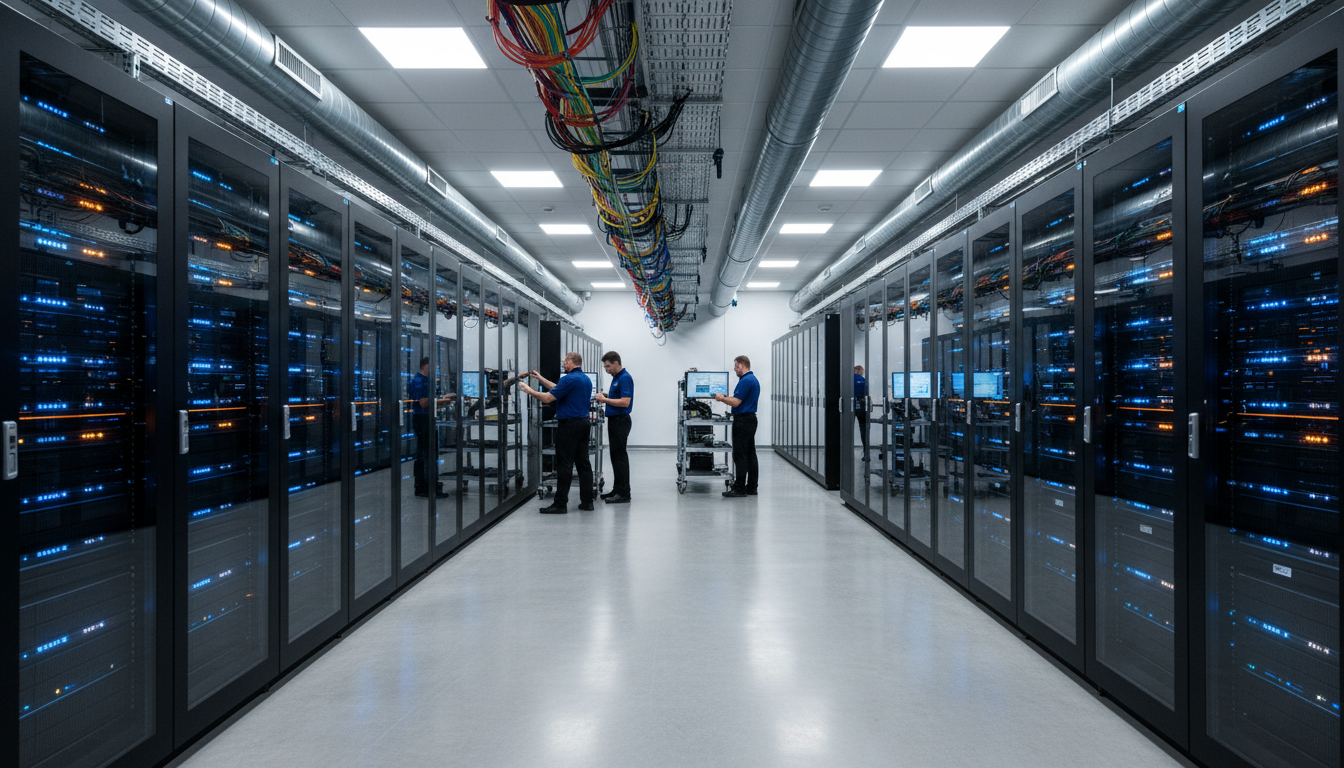
Before making any changes, it’s important to assess the current state of your IT infrastructure. Conduct a thorough audit to identify any outdated or underperforming components. This will provide a clear picture of what needs upgrading and where potential vulnerabilities lie.
Consider factors such as server performance, network speed, and data storage capabilities. This assessment will guide you in prioritizing areas for improvement, ensuring that your resources are effectively allocated.
Implementing Cloud Solutions
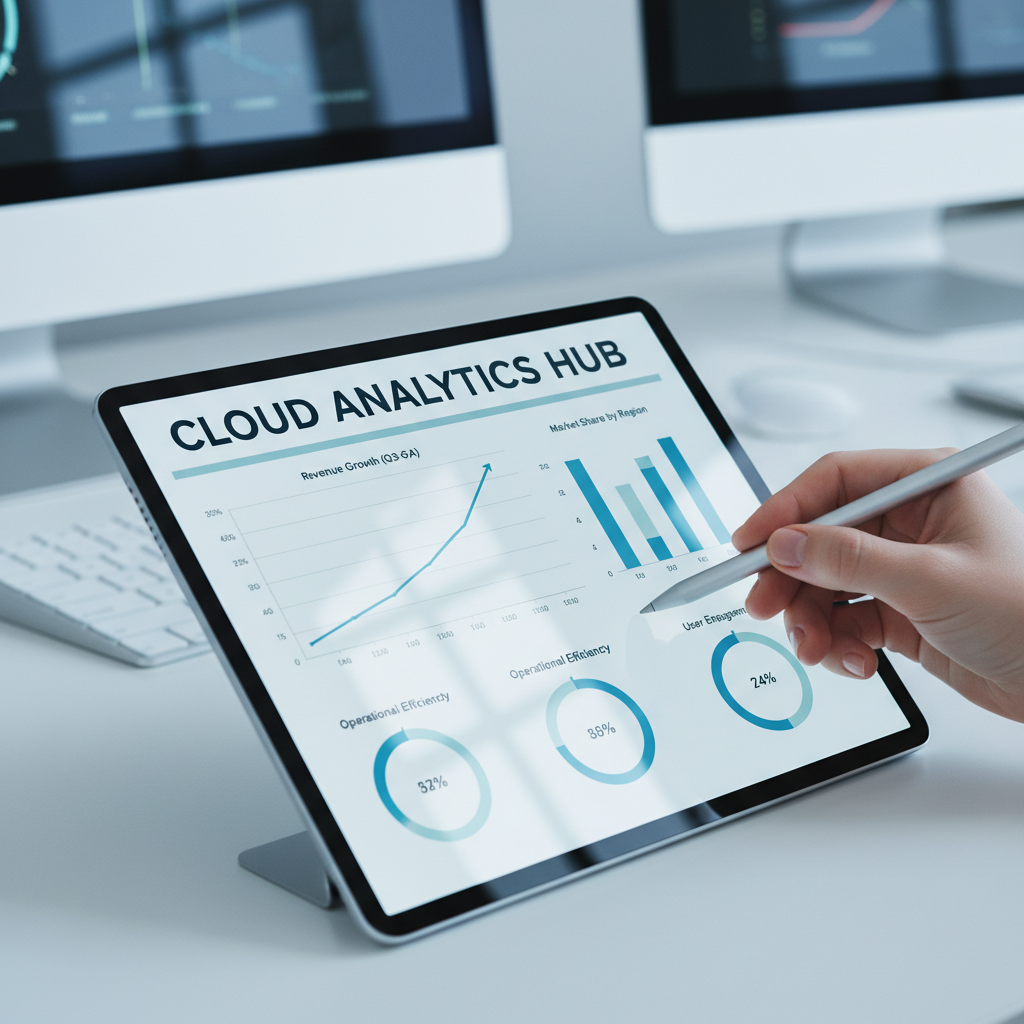
Cloud solutions offer a flexible and cost-effective way to enhance IT infrastructure. By migrating to cloud-based services, small businesses can benefit from scalable resources, improved collaboration, and enhanced data security. Additionally, cloud services often come with built-in disaster recovery options, offering peace of mind.
Enhancing Network Security
Security is a critical concern for any business. Implementing robust network security measures is essential to protect against cyber threats. Consider installing firewalls, utilizing VPNs, and conducting regular security audits to identify potential vulnerabilities.
Training employees on cybersecurity best practices can also significantly reduce the risk of breaches. Investing in security measures not only protects your business but also builds trust with your clients.
Regular Maintenance and Monitoring
Regular maintenance and monitoring are key to ensuring the longevity and performance of your IT infrastructure. Establish a routine for updating software, checking system performance, and backing up data. This proactive approach can prevent issues before they become major problems.

Leveraging Automation Tools
Automation can greatly enhance efficiency by reducing manual tasks and minimizing the risk of human error. Implementing automation tools for repetitive tasks such as data entry, report generation, and system monitoring can free up valuable time and resources.
Planning for Future Growth
As your business grows, so will your IT needs. It’s essential to have a plan in place for scaling your infrastructure. This includes considering future software and hardware needs, as well as potential increases in data storage and processing power.
By planning ahead, you can ensure that your IT infrastructure can accommodate growth without significant disruptions or additional costs.
Conclusion
Optimizing IT infrastructure is not a one-time task but an ongoing process. By assessing current systems, implementing cloud solutions, enhancing security, and planning for future growth, small businesses can create a robust and scalable IT environment. This strategic approach will support business objectives, enhance productivity, and drive success in the competitive market.